
Belize Fishing Rules: What You Can Keep and What You Must Release
Belize has specific rules governing protected species, closed seasons, minimum sizes, fishing methods and marine reserves. Some regulations can change, so always follow your licensed guide and check the latest information from the Belize Fisheries Department before fishing independently.
Here are the principal rules visiting anglers should understand.
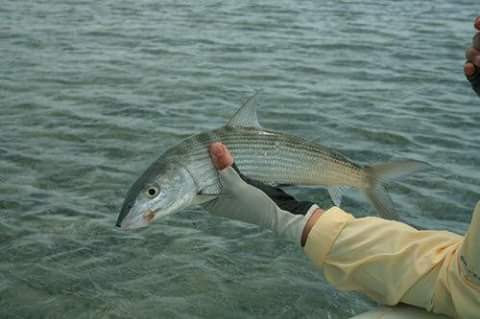
Bonefish, permit and tarpon are catch-and-release only
Bonefish, permit and tarpon are legally protected throughout Belize. You may catch them, but you cannot keep, buy or sell them.
Catch-and-release means returning the fish to the water immediately and in the same condition in which it was landed. This protection has been in place since 2009 and applies whether you are fly fishing or spin casting.
These are also the three species that make up the Belize Grand Slam: landing a bonefish, permit and tarpon in one day.
Learn more about why Belize protects its Grand Slam species or explore our Fly Fishing and Spin Casting trips.
Lobster rules
Caribbean spiny lobster may be harvested only during the open season and must meet the legal size requirements.
- Closed season: March 1 through June 30
- Minimum carapace length: 3 inches
- Minimum tail weight: 4 ounces
- Soft-shell lobsters cannot be taken.
- Female lobsters carrying eggs cannot be taken.
- Eggs cannot be removed from a female lobster.
- Filleted or diced lobster tails cannot be possessed.
That means Belize’s lobster season currently runs from July 1 through the end of February.
Do not rely on older travel articles that list a February-to-June closure. Belize’s official regulations now give March 1 through June 30 as the closed season. Check the current Belize Fisheries regulations.
Conch rules
Queen conch must meet minimum size and weight requirements:
- Shell length: more than 7 inches
- Unprocessed weight: at least 7½ ounces
- Market-clean weight: more than 3 ounces
- Fully processed fillet: more than 2¾ ounces
The closed season runs from July 1 through September 30. However, the fishery can close earlier if Belize’s national conch quota has already been reached.
Diced conch meat cannot be possessed.
Nassau grouper rules
Nassau grouper has both a legal-size range and a closed season.
- Legal total length: 20 to 30 inches
- Closed season: December 1 through March 31
- Nassau grouper must be landed whole.
Fish measuring less than 20 inches or more than 30 inches must not be taken.
Other protected species
Several other species and marine resources are protected:
- Parrotfish and tangs: These important reef grazers cannot be taken, bought, sold or possessed.
- Marine turtles: All marine turtle species are protected. Do not disturb a turtle or nest, possess a turtle or buy anything made from turtle shell.
- Whale sharks and nurse sharks: These species cannot be taken or killed.
- Coral: Taking, buying, selling or possessing coral is illegal. Black coral is a limited exception, but it requires a special licence from the Fisheries Administrator.
Shark fishing requires special authorization
Fishing for non-protected shark species requires a special licence from the Fisheries Administrator.
Sharks must be landed with their fins attached, and shark finning is prohibited. The current closed season runs from May 1 through October 31.
For a normal visitor charter, shark fishing should never be assumed to be included or permitted. Discuss it with your guide before booking.
Spearfishing and scuba
Using scuba equipment for ordinary fishing is prohibited. The limited exception is authorized lionfish removal.
A scuba diver who wants to remove lionfish must have the required Belize Fisheries Department authorization or Lionfish Hunter card, use approved equipment and follow any rules established for the particular location.
Freediving does not automatically make spearfishing legal everywhere. Marine reserves have their own zones and equipment restrictions, and spearguns are prohibited in many protected areas. Always let a licensed local guide determine where and how spearfishing can legally take place.
Read our complete guide to spearfishing laws in Belize before planning a spearfishing trip.
You need a sport-fishing licence
Anyone participating in recreational or competitive fishing in Belizean waters—including catch-and-release fishing—must have a valid sport-fishing licence issued by the Coastal Zone Management Authority and Institute.
Visitors can purchase a short-term licence through the official CZMAI online portal. A one-year licence must currently be obtained in person from CZMAI or an authorized distributor.
Captain Nato’s Charters does not include the guest’s fishing licence in the trip price, so purchase yours before the charter.
A sport-fishing licence is not the same as a commercial fisherfolk licence. Commercial licences govern fishing for sale and have separate eligibility and reporting requirements.
Keep identifying skin on fillets
If a legal fish is cleaned and landed as a fillet, Belize requires a patch of skin measuring at least 2 inches by 1 inch to remain attached.
This allows officers to identify the species after the fish has been cleaned. Do not be surprised when your guide deliberately leaves this small patch on the fillet.
Marine reserves have additional rules
A fishing licence does not allow fishing everywhere.
Belize’s marine reserves contain different management zones. Some permit limited fishing, while conservation or preservation zones may prohibit extractive fishing completely. Gear restrictions can also vary by reserve and zone.
This is one reason fishing with a knowledgeable local guide matters: the guide must understand not only which species are legal, but also where each fishing method is permitted.
What responsible visitors should do
Before fishing in Belize:
- Purchase your sport-fishing licence.
- Tell your guide which species and fishing method interest you.
- Follow instructions about reserve boundaries and legal fishing areas.
- Release bonefish, permit and tarpon immediately.
- Never keep undersized, protected or out-of-season catch.
- Confirm the current lobster or conch season before booking a harvest-focused trip.
- Ask before assuming a fish can be taken for lunch or dinner.
Regulations can be amended and seasonal fisheries can close when quotas are reached. The Belize Fisheries Department’s regulations page should be treated as the current authority.
Want to fish with a family that understands the species, seasons and local waters? Book a trip with Captain Nato’s Charters and let your guide help you fish Belize legally and responsibly.